If you are dreaming about a Rhode Island coastal move, Jamestown likely stands out fast. It offers an island setting, easy access to the water, and a quieter pace than some other shoreline communities nearby. If you are trying to decide whether that lifestyle really fits your day-to-day needs, this guide will help you weigh the tradeoffs and understand what makes Jamestown unique. Let’s dive in.
Why Jamestown Feels Different
Jamestown is almost entirely on Conanicut Island, which gives it a distinct sense of place from the moment you arrive. The town reports that it is 72% water, and that setting shapes how people live, move around, and spend their free time.
Compared with nearby Newport, Jamestown tends to read as more residential and less city-like. Census QuickFacts show Jamestown has 5,559 residents, an 85.8% owner-occupied housing rate, a median household income of $140,625, and a median owner-occupied home value of $842,400. Newport, by comparison, has 25,163 residents, a 49.8% owner-occupied housing rate, and a median owner-occupied home value of $746,900.
That contrast matters if you are choosing between energy and quiet. Jamestown can appeal to buyers who want coastal living without the busier feel of a larger shoreline city. At the same time, a quieter setting does not necessarily mean a lower price point.
What Daily Life in Jamestown Looks Like
One of Jamestown’s biggest draws is that water access is not just a vacation perk. It is built into everyday life through town parks, beaches, trails, campgrounds, and public shoreline amenities.
The town’s parks and recreation department highlights day-use parks, beaches, group areas, trails, campgrounds, Fort Getty Campground, and the Rejimbas Pavilion. The Harbor Office also lists boat ramps at East Ferry, Fort Getty, and Fort Wetherill, along with pumpout facilities and no-cost touch-and-go docks.
For many buyers, that means your weekends can feel very different here. Whether you enjoy boating, fishing, walking coastal trails, or simply spending more time near the water, Jamestown supports that lifestyle in a practical way.
Popular Outdoor Spots
Beavertail State Park is one of the town’s best-known destinations. It is recognized for its historic lighthouse setting, scenic coastline, rocky shoreline views, sightseeing, picnicking, and saltwater fishing.
Fort Wetherill State Park offers a different kind of coastal experience. Located on 100-foot granite cliffs, it includes scenic overlooks, birding, saltwater fishing, hiking, mountain biking, boating, and scuba diving.
Fort Getty adds another layer to the local lifestyle. This 41-acre town-owned campground includes RV and tent sites, a rocky beach, a public boat ramp, a dock, and the Kit Wright walking trail.
Beach Access Takes Planning
If beach access is high on your list, it helps to know that summer use can come with logistics. Mackerel Cove Beach is seasonally managed, with resident recreation passes and nonresident day parking.
That does not make beach days difficult, but it does mean you should expect some planning during peak season. If easy, spontaneous beach parking is a must-have for you, this is one of those details worth considering before you move.
Commuting From Jamestown
Living on an island sounds secluded, but Jamestown is still well connected by road and seasonal ferry service. The town identifies the Claiborne Pell Newport Bridge and the Jamestown Verrazzano Bridge as its primary links to Newport and North Kingstown.
RIDOT also lists seasonal Jamestown and Newport Ferry service that connects Jamestown with several points along Newport’s waterfront and islands. RITBA operates and maintains the Newport Pell Bridge, the Jamestown Verrazzano Bridge, and Route 138 through Jamestown.
In practical terms, commuting is very possible here. The key difference is that bridge traffic, weather conditions, and ferry schedules can become part of your normal routine.
Questions to Ask Yourself About Access
Before choosing Jamestown, it helps to think through your lifestyle honestly. Ask yourself:
- How often will you need to commute off-island?
- Are you comfortable depending on bridge access every day?
- Would seasonal ferry service be a benefit for your routine?
- Do you want a peaceful setting enough to trade some convenience for it?
For the right buyer, the answer is yes. For others, a mainland location may feel simpler.
Housing Style and Character
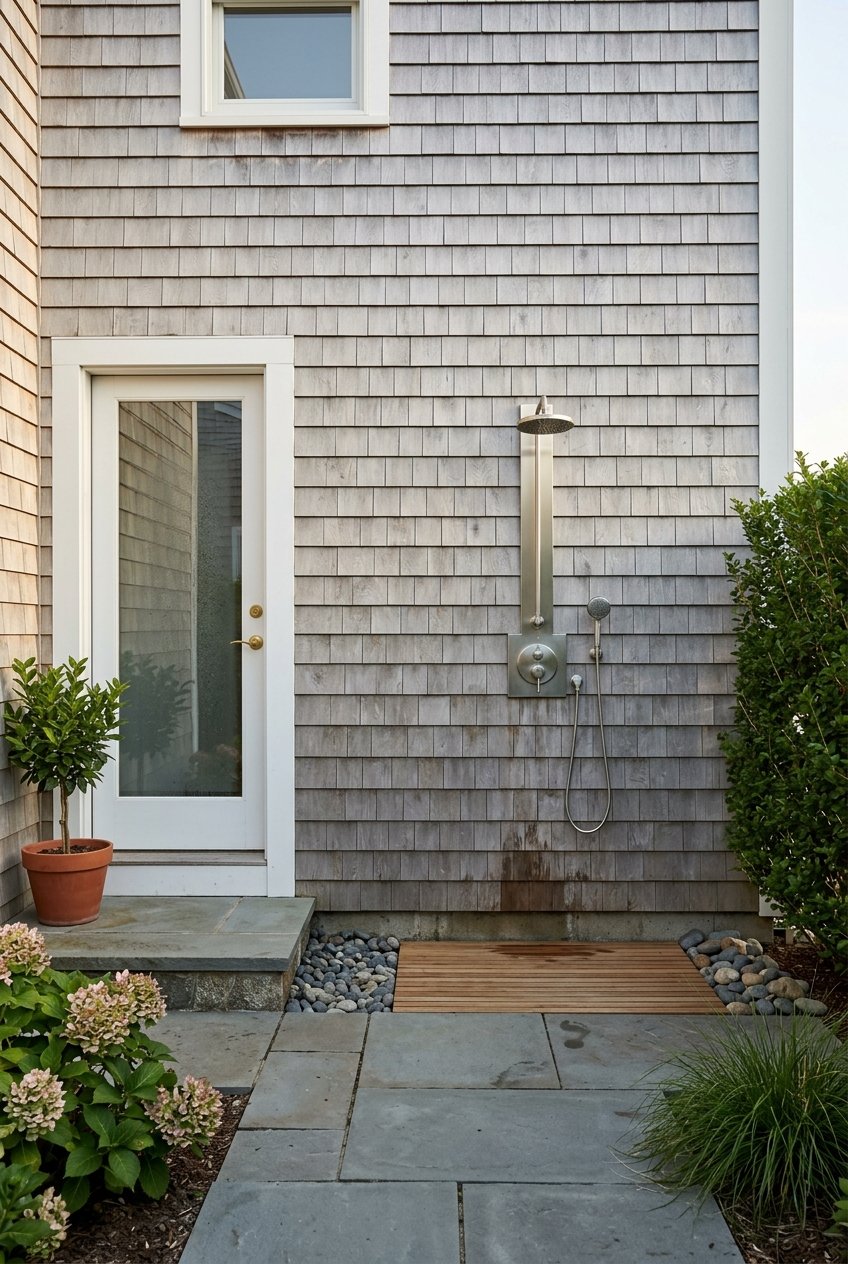
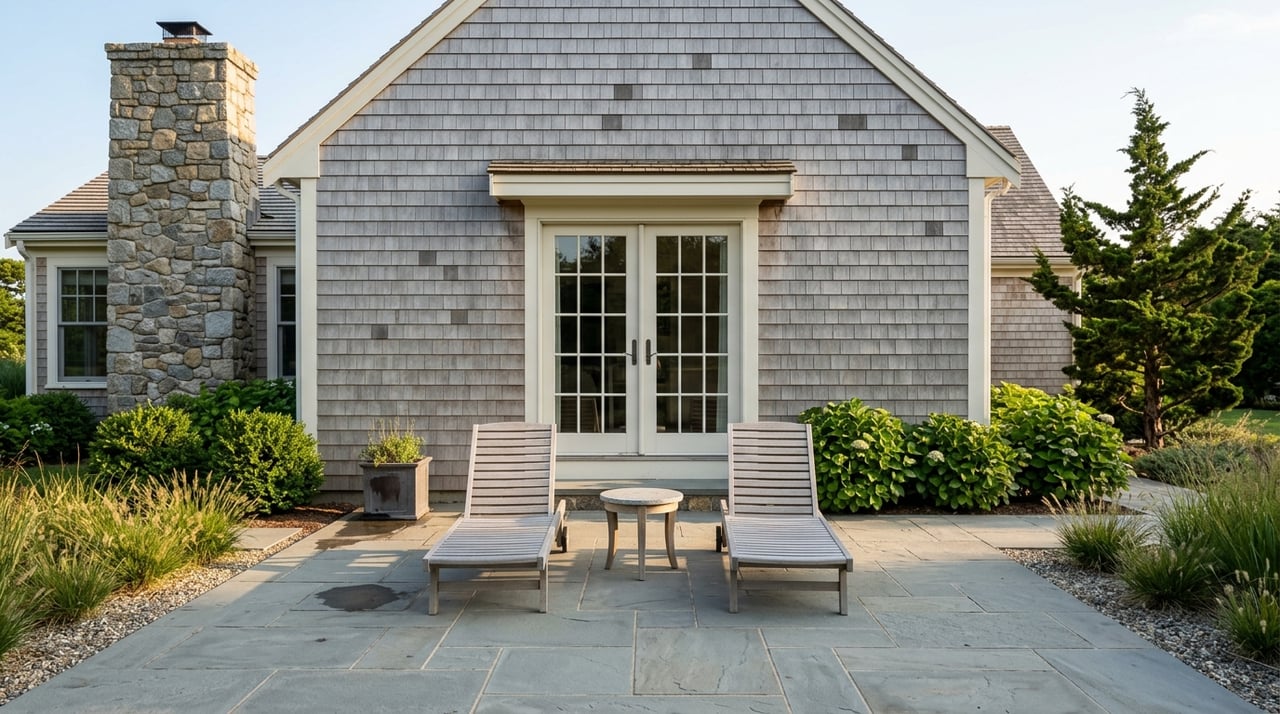
If you are hoping for a place with architectural personality, Jamestown has a lot to offer. Rhode Island’s historic survey says the town’s most popular historic building style was Shingle Style, with Gothic Revival, Second Empire, and Queen Anne also represented.
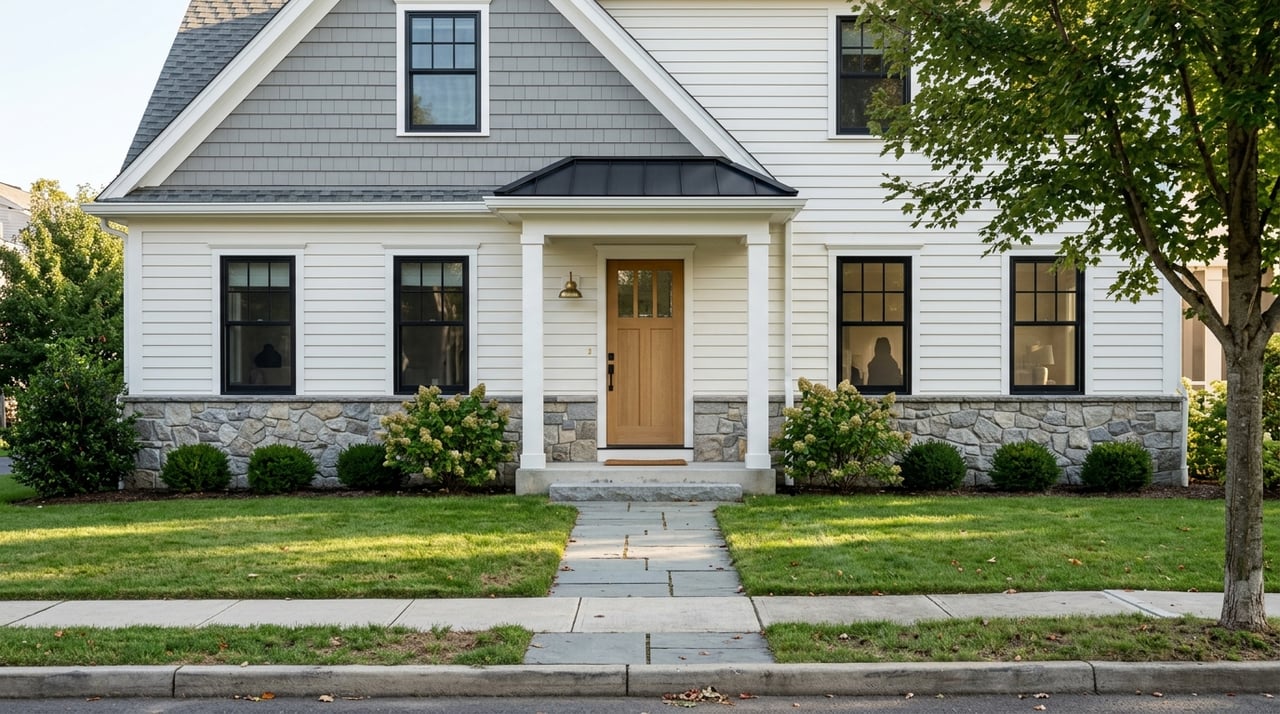
The Shoreby Hill Historic District, one of Jamestown’s most important residential areas, includes Shingle Style, Colonial Revival, Bungalow/Craftsman, Cape Cod, Ranch, and later modern interpretations. The record also notes that early cottages were summer residences, while later postwar homes were often Cape Cod or Ranch-style year-round houses.
That mix gives Jamestown a strong coastal identity. Instead of feeling dominated by one type of newer development, the town tends to offer a blend of historic character and year-round residential homes.
What That Means for Buyers
If you love coastal architecture, Jamestown may feel especially appealing. You may find homes with more visual character, more connection to the town’s history, and a stronger sense of place than in communities filled mostly with standard newer subdivisions.
It also means your search may need a thoughtful strategy. Home style, lot setting, water access, and commuting needs can all matter at the same time, so it helps to define your priorities early.
Who Jamestown Often Fits Best
Jamestown tends to work well for buyers who want a quieter coastal setting, water access, and a smaller residential feel. The town’s planning department says it guides growth while maintaining its rural character, which lines up with the town’s overall profile.
In many cases, Jamestown appeals to relocation buyers, downsizers, boaters, and buyers who value historic cottage character and a slower pace. If you picture home as a place to decompress, enjoy the shoreline, and stay connected to nature, Jamestown may check a lot of boxes.
On the other hand, it may be less attractive if you want dense nightlife, a large commercial downtown, or the easiest possible highway-style access. That does not make it better or worse than nearby options. It simply means fit matters.
How to Decide if Jamestown Is Right for You
When you are comparing coastal towns, it helps to focus on lifestyle filters instead of just listings. Price matters, of course, but so do the small realities that shape everyday life.
Here are a few of the most useful decision points to think through:
- Your commute tolerance and how often you travel off-island
- Whether boat access is a major priority
- How important walk-to-water proximity is to you
- Your comfort with seasonal beach parking rules
- Whether you want a quieter residential atmosphere over a busier shoreline setting
- How much you value historic or cottage-style architectural character
If most of those factors sound like positives, Jamestown may be a very strong match. If they feel like compromises, another Rhode Island coastal town might better support your goals.
Why Local Guidance Matters in a Coastal Search
A coastal move is rarely just about the house itself. In a place like Jamestown, your experience also depends on access, location within town, shoreline lifestyle, and how the property fits the rhythm of island living.
That is why many buyers benefit from clear, honest guidance from the start. When you understand the tradeoffs early, you can narrow your search faster and feel more confident in your decision.
If you are considering a move to Jamestown or comparing it with other Rhode Island coastal communities, a concierge-style approach can make the process feel much more manageable. The right guidance helps you focus on what truly fits your lifestyle, not just what looks good online.
If you are ready to explore your options in Jamestown or nearby coastal markets, Baker 21 Realty offers responsive, personalized guidance to help you move with confidence.
FAQs
Is Jamestown, Rhode Island, a good fit for a quieter coastal lifestyle?
- Yes. Jamestown tends to appeal to buyers who want a smaller, more residential coastal setting with water access and a slower pace than a busier shoreline city.
How do you get on and off Jamestown, Rhode Island?
- Jamestown is connected by the Claiborne Pell Newport Bridge and the Jamestown Verrazzano Bridge, with seasonal ferry service also available between Jamestown and parts of Newport’s waterfront and nearby islands.
What kinds of outdoor activities are available in Jamestown, Rhode Island?
- Jamestown offers parks, beaches, trails, boating access, fishing, sightseeing, hiking, mountain biking, birding, scuba diving, and camping through local facilities and state parks.
What is the housing character like in Jamestown, Rhode Island?
- Jamestown is known for strong coastal architectural character, including Shingle Style homes and other historic and year-round residential styles such as Colonial Revival, Bungalow/Craftsman, Cape Cod, Ranch, and later modern interpretations.
Is Jamestown, Rhode Island, less expensive than Newport?
- Not necessarily. Census QuickFacts show a higher median value for owner-occupied homes in Jamestown than in Newport, so a quieter setting does not automatically mean a lower entry price.
What should you consider before moving to Jamestown, Rhode Island?
- Key factors include your commute tolerance, comfort with bridge-based access, interest in boating or shoreline living, expectations around seasonal beach access, and whether you prefer a quiet residential setting over a busier coastal environment.