Dreaming about buying in Narragansett? It is easy to fall for the beaches, ocean views, and classic coastal charm, but buying here takes more than falling in love with a listing. If you want to make a smart move, you need to understand how seasonality, flood risk, utilities, and local rules can affect your day-to-day life and long-term costs. Here is what to know before you buy in Narragansett so you can move forward with more confidence. Let’s dive in.
Narragansett Is a Premium Coastal Market
Narragansett is a small coastal town of about 14 square miles, and limited developable land continues to shape the market. The town’s current comprehensive-plan update says about 81% of the land is zoned residential, which helps explain why available housing can feel tight.
Price data also points to a high-value market. Rhode Island Housing listed Narragansett’s 2024 median owner-occupied home value at $743,500, up 63.7% from 2020. Other housing sources report different figures depending on whether they measure listing prices, average values, or closed sales, but they all point to the same takeaway: Narragansett is an expensive coastal market where desirable homes can move quickly.
Property Types Vary More Than You May Expect
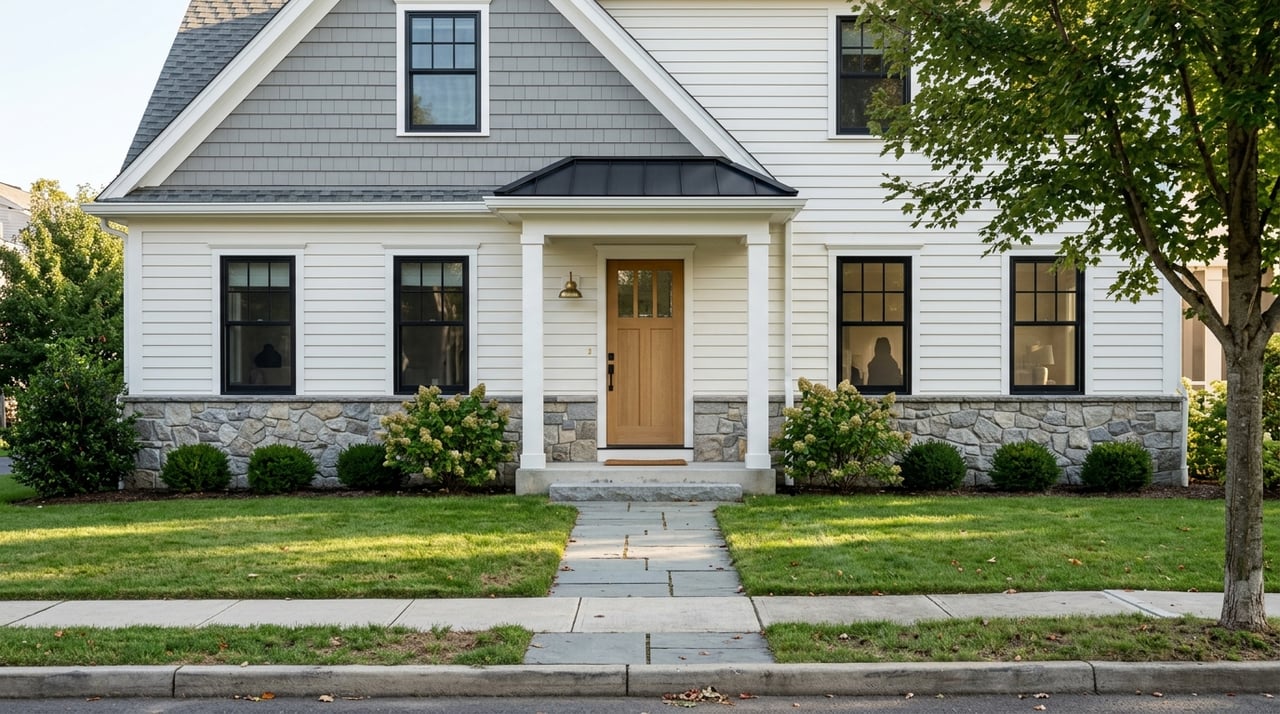
Narragansett is not just one type of beach town housing. The town includes older cottages, historic homes, condos, and year-round single-family properties, along with homes that may be more renovation-focused than turnkey.
The town history page notes four historic districts created to protect Victorian cottages and monumental buildings. That means some properties come with architectural character and local context that can shape what changes are possible.
You will also find condos and mixed-occupancy areas along the shore. The town’s baseline report notes that Breakwater Village evolved from a summer camp into residential condominiums, and that some Point Judith Neck neighborhoods have shifted toward year-round living while other areas remain more seasonal.
Coastal Lots Often Need Extra Due Diligence
If you are buying near the water, lot size and regulations matter. Recent zoning-board notices show requests for variances and special-use permits in the Coastal Resources Overlay District for new homes, additions, decks, and tear-down or rebuild projects.
That is an important clue for buyers. Some near-water and waterfront parcels may be small-lot properties, heavily regulated sites, or homes better suited for renovation rather than easy expansion. Before you assume you can add on, rebuild, or reconfigure the property, it is wise to verify what is actually allowed.
Seasonality Affects Daily Life
Narragansett changes with the calendar. The town’s planning documents highlight the seasonal nature of the community, summer tourism, and congestion during high-traffic periods.
In peak summer months, local occupancy rises with beach visitors, ferry travelers, weekly summer rentals, and other seasonal activity. That can affect traffic, parking, noise levels, and how easy it feels to move around town.
If you plan to live in Narragansett year-round, try to picture the property outside the postcard moments too. A home that feels ideal in July may feel very different in January, especially when it comes to wind exposure, quieter surroundings, and overall ease of use.
Tour in Summer and Off-Season
One of the smartest ways to buy well in Narragansett is to tour at different times of year if you can. A summer showing can reveal beach traffic, parking demand, and neighborhood activity that may not be obvious in colder months.
A winter visit can tell you something equally valuable. You can get a better feel for wind, drainage, storm exposure, and how the property functions when seasonal crowds are gone.
This matters in a coastal town where tourism patterns and winter storm concerns both shape the ownership experience. If your schedule allows it, seeing a property in more than one season can give you a fuller picture before you commit.
Flood Risk Should Be Checked Early
Coastal risk is one of the biggest practical issues to review before making an offer. The town says Narragansett is especially vulnerable to coastal flooding and hurricanes or tropical storms, and it also notes that homeowners insurance typically does not cover flooding.
That means flood due diligence should happen early, not as an afterthought. Buyers should check FEMA flood maps, flood zones, base flood elevation, and whether an elevation certificate exists for the property.
The Building Inspection Department also says it enforces flood zone requirements. If a home sits in or near a flood-prone area, that can influence insurance costs, renovation plans, and your monthly budget.
Utilities Can Differ From Home to Home
Two homes in the same town can have very different utility setups. According to town FAQ materials, some owners receive water service from SUEZ Water RI while others are served by the town.
Wastewater can also vary. A property may be connected to public sewer, or it may rely on an Individual Sewage Disposal System regulated by the state.
The sewer department says connection may trigger a Sewer Lot Development Fee or assessment. The town also notes that water and sewer billing is based on quarterly meter readings, and summer irrigation is restricted from June 1 through August 31.
These details may sound small at first, but they can affect both your costs and how you use the property. It is worth confirming the exact setup before closing.
Rental Plans Need a Local Rules Check
If you are buying a second home and hope to rent it out, do not assume every property works the same way. Narragansett’s rental registration page recognizes several categories, including academic, academic and summer, summer only, yearly, and short-term rentals of less than 30 days.
The town says annual rental registration is due by August 31. For buyers, the big takeaway is simple: if rental income is part of your plan, confirm the property’s likely registration category and local occupancy rules before you buy.
That step can help you avoid surprises after closing. It can also help you decide whether a property truly fits your goals as a part-time residence, investment-minded second home, or year-round place to live.
What Primary-Home Buyers Should Prioritize
If you plan to live in Narragansett full-time, your checklist may look different from a vacation-home search. Year-round heating, winter access, parking, utility reliability, and off-season comfort all deserve close attention.
Because some parts of town feel more seasonal than others, it helps to think beyond summer appeal. Ask yourself how the home will function when tourist traffic fades and weather conditions become less forgiving.
A beautiful location still needs to work for your real life. Focusing on practical comfort can help you choose a home you enjoy in every season.
What Second-Home Buyers Should Prioritize
If you are shopping for a second home, focus on seasonal usability, vacancy planning, and carrying costs. A coastal home may come with extra expenses tied to flood risk, weather exposure, and periods when the property sits empty.
If income potential matters, rental flexibility should be reviewed before you close. Narragansett’s registration structure makes intended use an important part of the buying decision, not something to sort out later.
You should also think about how comfortably the home can be left unattended during colder months. That includes utility setup, storm exposure, and general ease of ownership.
Four Questions To Ask Before You Offer
Before you make an offer in Narragansett, try to answer these local questions:
- Is the home in a FEMA Special Flood Hazard Area?
- Is there an elevation certificate available?
- Is the property connected to sewer, or does it use an ISDS?
- If you may rent the home, what rental registration category would apply?
These questions line up with the town’s flood, utility, and rental rules. Getting answers early can help you shape your offer, estimate ownership costs, and avoid delays during due diligence.
Be Ready to Move Quickly
Timing matters in Narragansett. Market sources in the research report show homes can go pending quickly, even though exact timing varies by source and price point.
That means preparation matters. If you are serious about buying here, it helps to have financing lined up, your must-haves clearly defined, and a realistic budget that includes more than just the purchase price.
In a coastal market, ownership costs may include flood insurance, maintenance tied to weather exposure, and utility or infrastructure factors that do not always show up in the listing photos. Going in prepared can help you act fast without feeling rushed.
Buying in Narragansett can be exciting, but the smartest buyers look past the ocean views long enough to verify the details that matter most. When you understand seasonality, flood exposure, utility setup, and rental rules early, you can make a clearer decision and buy with less stress.
If you are considering a home in Narragansett and want thoughtful, hands-on guidance, Baker 21 Realty is here to help you navigate the process with clarity, local insight, and personal attention.
FAQs
What should you know about flood zones before buying in Narragansett?
- You should check FEMA flood maps, flood zones, base flood elevation, and whether an elevation certificate exists, since the town says Narragansett is especially vulnerable to coastal flooding and standard homeowners insurance typically does not cover flooding.
What types of homes can you find in Narragansett?
- Narragansett includes a mix of older cottages, historic homes, condos, mixed-occupancy areas, and year-round single-family homes, with some coastal properties better suited to renovation or rebuild planning than simple expansion.
What should second-home buyers know about renting out a Narragansett property?
- Buyers should review the town’s rental registration categories before closing, because Narragansett recognizes academic, academic and summer, summer only, yearly, and short-term rentals of less than 30 days.
What utility questions should buyers ask about a Narragansett home?
- You should confirm whether the property has town water or SUEZ Water RI service, whether it uses public sewer or an Individual Sewage Disposal System, and whether any sewer-related fees or assessments may apply.
Why is it helpful to tour a Narragansett home in different seasons?
- Touring in summer can show traffic, parking, and neighborhood activity, while touring in winter can reveal wind exposure, drainage, and how the property feels during the quieter off-season.
How competitive is the Narragansett housing market?
- Research in the report shows a high-priced coastal market where homes can move quickly, so buyers should be prepared with financing, a clear budget, and fast decision-making when the right property appears.