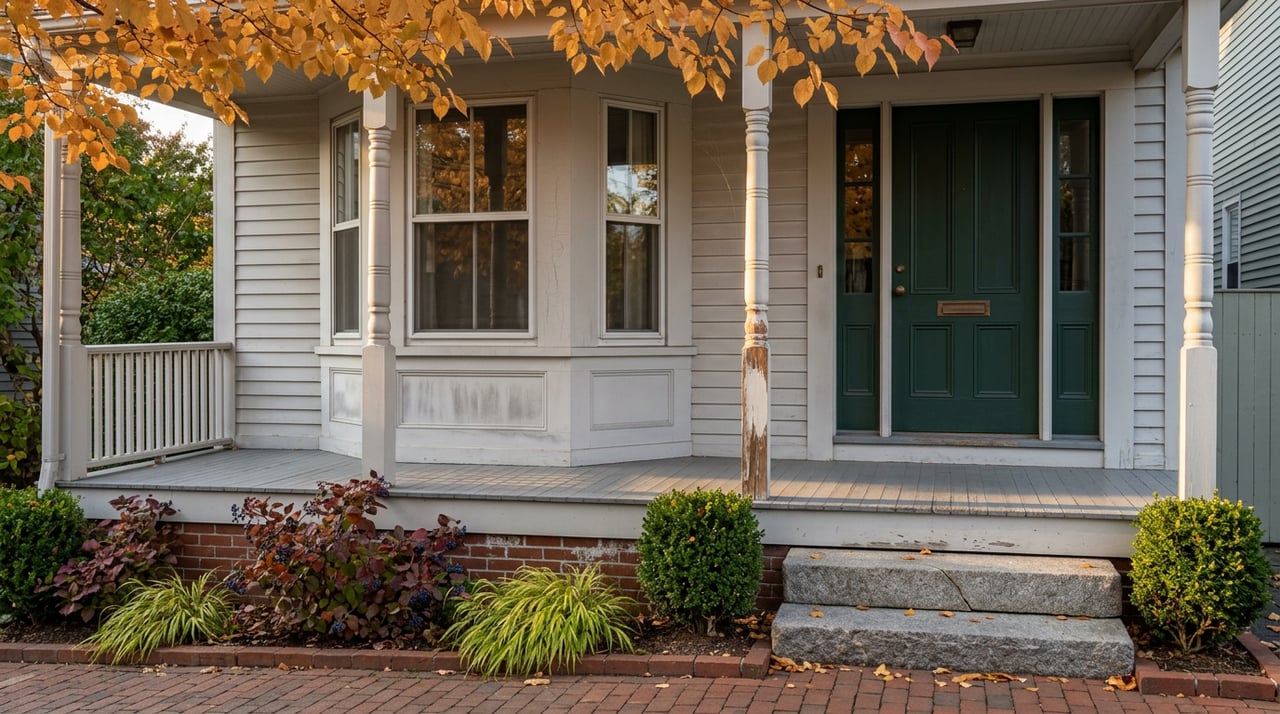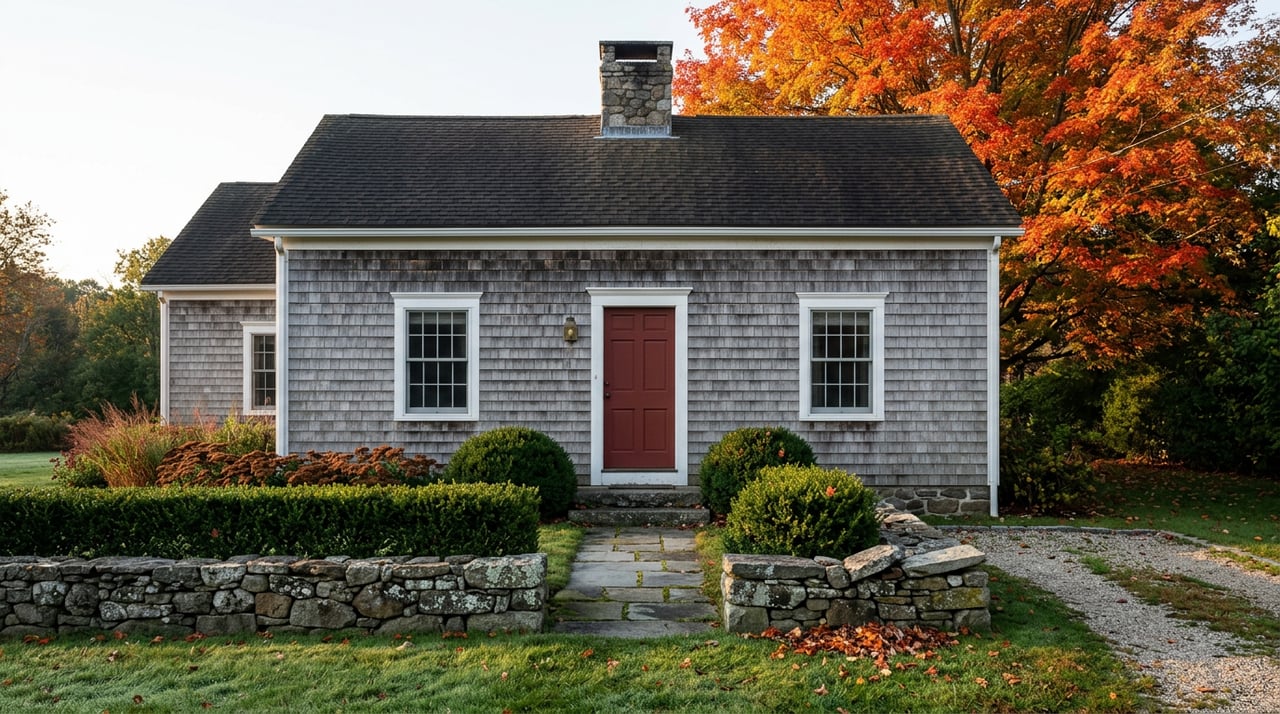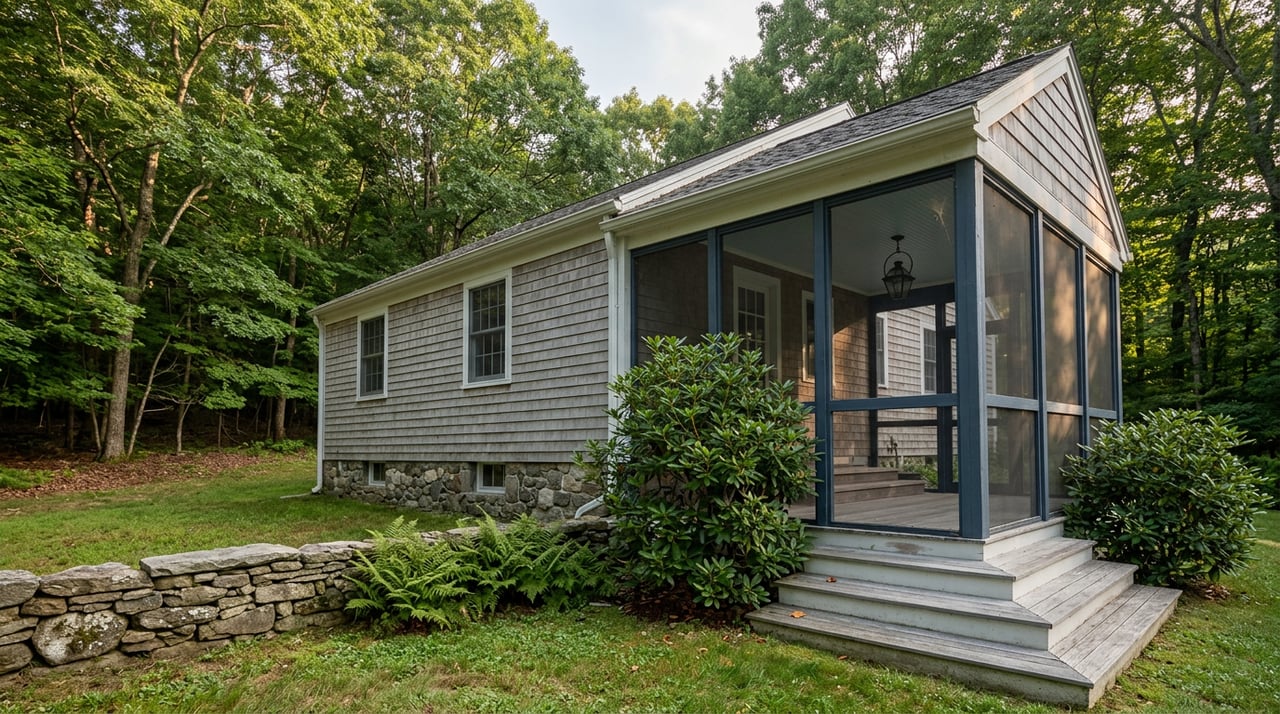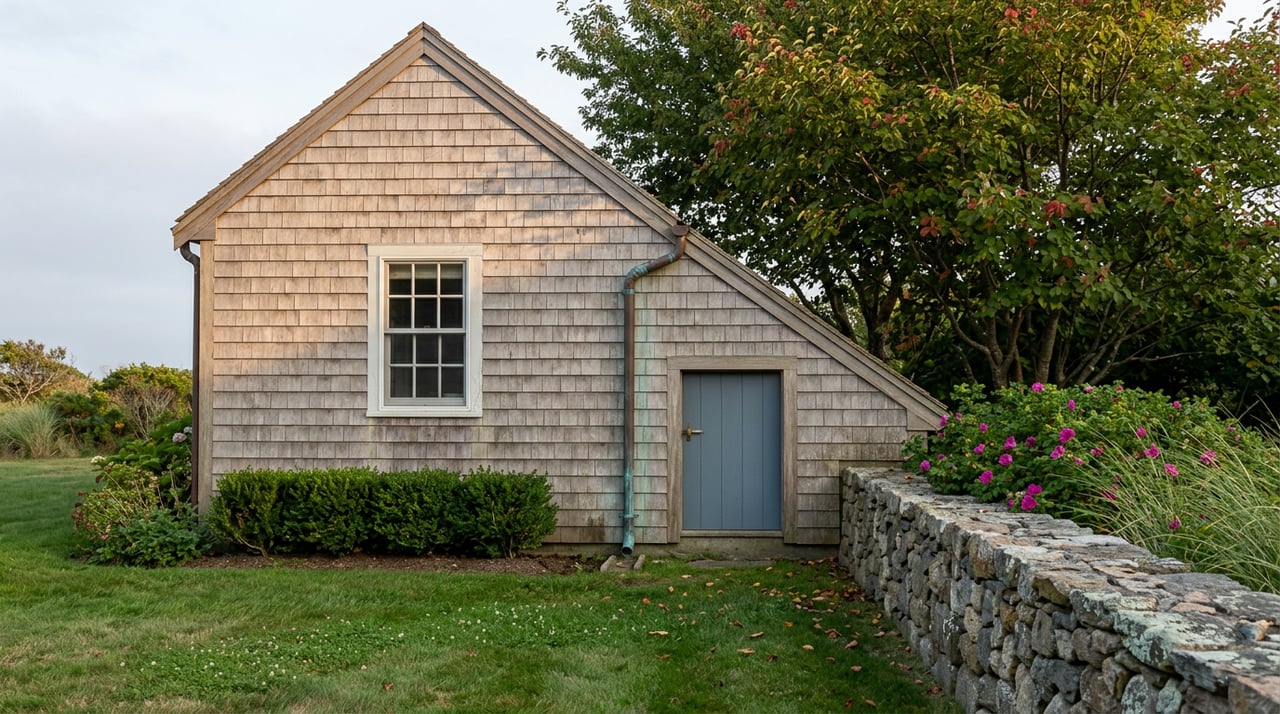
A five-bedroom estate above Grace's Cove on Block Island's west side has been sitting on the market for 223 days as of mid-August 2026, listed at $7,495,000. In that same stretch of time, the island's median sold price climbed to $2,445,000 in June 2026, one of the highest figures the island has posted in recent memory. Both of those facts are true at once. Only one of them tells you what is actually happening if you are shopping Grace's Cove this year.
If you have spent any time comparing Rhode Island coastal towns, you already know the headline version of Block Island: small, exclusive, expensive, and only getting more so. The 2026 numbers complicate that story in a way worth sitting with before you make an offer or set your own listing price.
The Median Is Rising. The Market Underneath It Isn't.
Start with what the island actually did in June 2026. Homes sold for a median price of $2,445,000, and only 19 changed hands, compared with 23 during the same month the year before. The properties that did sell took an average of 172 days to close, versus 89 days a year earlier. That is not a small shift. Days on market nearly doubled while the sale count dropped.
By July, the list-price side of the ledger told a similar story from a different angle. The median list price fell to $2.36 million, down 11 percent from June and down 10 percent from July 2025. Price per square foot held almost perfectly flat at $1,123, essentially unchanged from both the prior month and the prior year.
Put those two months together and you get a market that looks strong on the headline sold-price number in June, then shows real softening on list prices a month later, with sellers sitting longer and buyers moving slower throughout. That is not the picture most people carry around in their head when they picture Block Island real estate.
What a Median Actually Measures
A median sold price only tells you the midpoint of whatever happened to close that month. It says nothing about how many buyers walked away, how many showings a listing needed, or whether the mix of homes that sold looked anything like the mix that sold the year before.
Block Island Realty's own MLS-sourced dashboard makes this visible in a single window. For the month running from June 19 to July 19, 2026, the average sale price rose 35.9 percent compared with the prior 30-day period, while the average sale price per square foot fell 25 percent over that same span. Those two numbers moving in opposite directions is the compositional story in miniature: bigger, more expensive homes were closing, which pulled the average price up, even as the value per square foot buyers were actually paying for came down. Size was doing the work, not scarcity.
The same dashboard showed average days on market for sold properties spiking more than sixteenfold across that identical window. Read literally, that number looks absurd, and it should. Block Island trades so few homes in any given month that one property which sat for the better part of a year, closing alongside a handful of others that moved quickly the year before, is enough to send a percentage swing into territory no other Rhode Island market would ever produce. That volatility is itself useful information. On an island this small, aggregate percentages swing wildly from month to month, and a single comparable listing tells you more than any headline stat will.
What Grace's Cove Itself Is Telling Us
The 1210 Graces Cove Road listing puts a face on the pattern. Sitting above the shoreline on Block Island's west side with views across the Sound toward the mainland, the fully renovated five-bedroom estate has an infinity-edge pool, a fire-lit terrace, and 5,571 square feet of finished space. A short walk away, other homes along Grace's Cove Road look out over Sprague Farm, the working farm that gives this stretch of the west side its quiet, rural character even a few hundred yards from open water. It carries a $7,495,000 asking price and, as of this writing, 223 days on market. That is a property built for the top of the island's price range sitting well past the current average marketing window, which tracks exactly with what the aggregate numbers describe: strong pricing at the very top, paired with real patience required to find a buyer there.
Contrast that with properties closer to New Harbor, less than a mile from Old Harbor's marinas, restaurants, farmers market, and public playground. Convenience-driven listings in that corridor trade on walkability to the ferry landing and the island's commercial core, a different value proposition entirely from Grace's Cove's quieter, farm-adjacent setting on the west side. Two Block Island addresses can sit five minutes apart by car and answer completely different questions for a buyer.
The Cost Nobody Puts in the Mortgage Calculator
Grace's Cove sits away from the ferry landing, which matters more than it sounds like it should. Point Judith, in the Galilee section of Narragansett, is the only port that runs year-round and the only one that puts a vehicle on the island at all. The traditional car ferry takes about 55 minutes each way, with a seasonal high-speed passenger boat covering the same route in roughly 30 minutes but without vehicle space. Bringing a car over runs $65 to $95 or more each way depending on size, and parking at the Point Judith lots costs $15 to $25 per day with no free option nearby in summer.
For a second-home buyer who visits a handful of weekends a year, that is an annoyance. For anyone planning to live on Grace's Cove full time, or to run a renovation with contractors and deliveries, it is a recurring operating cost that never shows up in a standard mortgage calculator alongside taxes and insurance.
| Block Island Access and Carrying Costs | Figure |
|---|---|
| Car ferry, one way (Point Judith to Old Harbor) | $65 to $95 or more |
| Day parking at Point Judith | $15 to $25 |
| Flood insurance discount, Special Flood Hazard Area | 10 percent |
| Flood insurance discount, outside SFHA | 5 percent |
| Property tax assessment basis | 100 percent of fair market value, effective the 12/31/23 tax roll |
The Fine Print That Changes Your Carrying Costs
New Shoreham, the town that governs all of Block Island, changed how it assesses property in a way that matters to anyone budgeting off an old tax bill. Real property is now assessed at 100 percent of fair market value effective with the 12/31/23 tax roll, up from the 80 percent basis used in prior years. The town's next statistical update is scheduled for 12/31/25, which means the assessed value on any listing you are comparing may already reflect a fuller picture of current market pricing than an older comparable would suggest.
On the insurance side, New Shoreham has participated in FEMA's National Flood Insurance Program Community Rating System since 2019, currently at a Class 8 rating. That earns property owners in Special Flood Hazard Areas a 10 percent discount on flood insurance premiums, and owners outside those zones a 5 percent discount. Given how much of Block Island's shoreline falls inside a mapped flood zone, that discount is worth confirming early with an insurance agent rather than discovering it after closing.
What This Means If You're Actually Shopping Grace's Cove
Statewide, Rhode Island spent 2025 defying the national slowdown. Existing home sales nationally fell to roughly 4.06 million, near the lowest pace in decades, yet Rhode Island prices kept rising because the inventory surge that usually forces prices down never showed up here. Block Island's 2026 numbers do not follow that mainland script. Days on market nearly doubled even as headline sold prices climbed, which means the island is behaving less like the rest of coastal Rhode Island and more like its own small, thin market where a handful of transactions can move the average in either direction.
If you are comparing Grace's Cove against other coastal options, treat the median price as a description of what closed, not a forecast of what you will pay or how fast you will sell. Ask for the specific days-on-market history on any comparable property before anchoring to an asking price. Build the ferry cost into your annual budget the same way you would a second mortgage payment if you plan to keep a car on the island. Get a flood insurance quote early enough to know your Special Flood Hazard Area status before you are locked into a purchase and sale agreement. And when you are pricing a sale on the west side, remember that a Grace's Cove estate answers a different question for buyers than a walk-to-Old-Harbor property does, even if both carry the same town name on the deed.
Frequently Asked Questions
Is the Block Island real estate market slowing down in 2026? Days on market for sold properties rose to an average of 172 days in June 2026, up from 89 days in June 2025, while the number of homes sold that month fell to 19 from 23 the year before. Median list prices in July 2026 also declined 11 percent from June and 10 percent from the prior July, even as June's median sold price of $2,445,000 stood among the highest figures the island has posted in recent memory.
How much does it cost to keep a car on Block Island? The only year-round vehicle ferry route runs from Point Judith in Narragansett, with one-way vehicle transport running $65 to $95 or more depending on size, plus $15 to $25 per day for parking at the mainland terminal.
Does Block Island offer a flood insurance discount? New Shoreham has participated in FEMA's Community Rating System since 2019 at a Class 8 rating, which gives property owners in Special Flood Hazard Areas a 10 percent discount on flood insurance premiums and owners outside those zones a 5 percent discount.
Grace's Cove rewards a buyer who reads past the median. If you are weighing a west-side estate against a New Harbor walk-up, or trying to figure out what a Block Island purchase actually costs once the ferry and the insurance bill are in the picture, Baker 21 Realty can walk through the specific comparables with you and help you search all homes across Rhode Island's coastal towns with real numbers, not just the headline ones.